Cat Enrichment
How to Build a Daily Play Routine for Your Cat
A good cat play routine does not need to take an hour. A few well-timed minutes can help your cat move, think and settle more comfortably at home.
By Ucika · · 8 min read
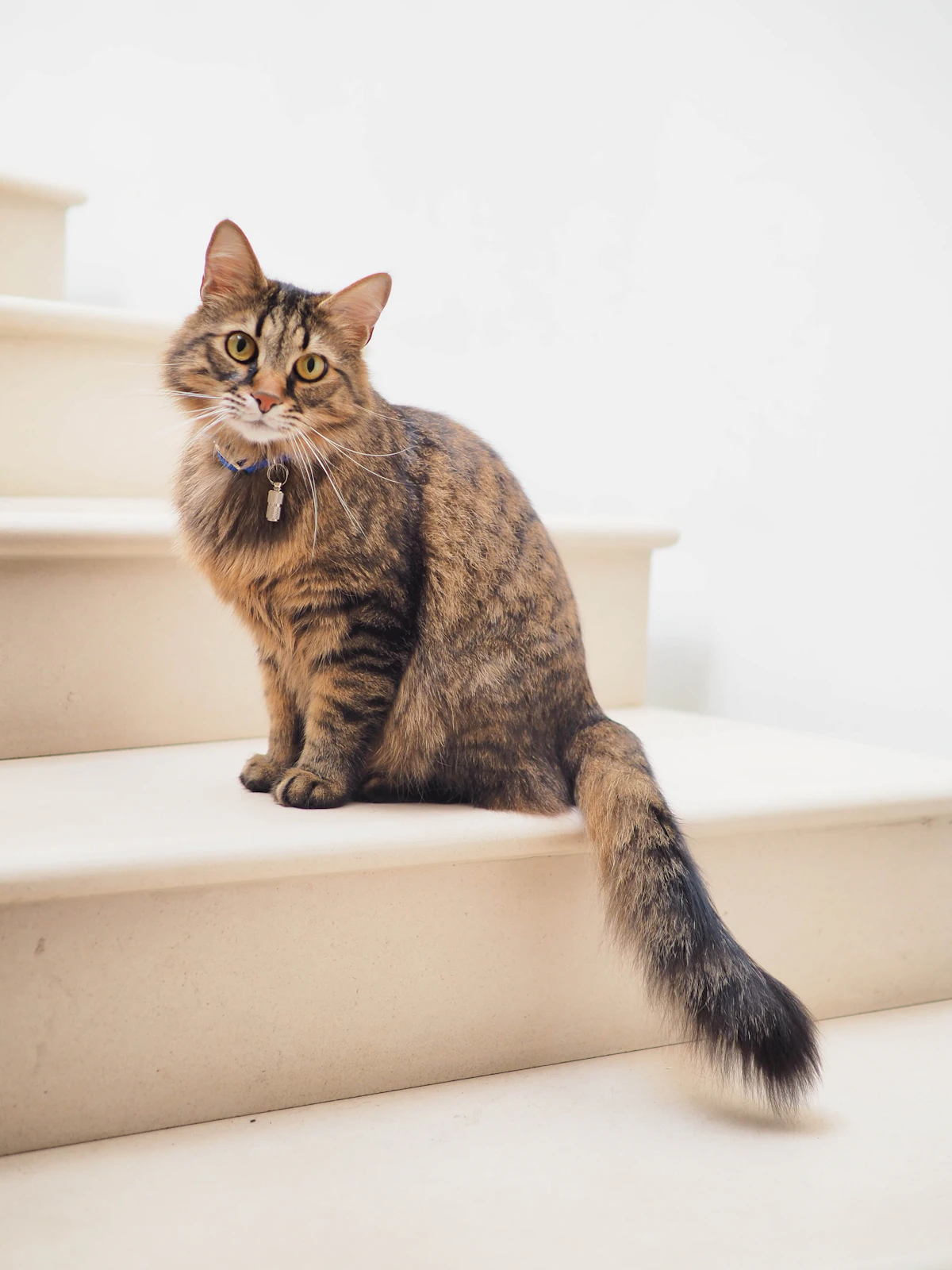
Cats are excellent at making their own schedules, but indoor life can sometimes remove the small hunting moments that naturally break up a day. A short play session, a food puzzle or a few minutes of exploration can give your cat useful movement and mental stimulation without turning your home into a full-time activity centre.
The best daily cat play routine is realistic. It should fit around work, meals and sleep, and it should respect your cat’s personality. Some cats want energetic chase games, while others prefer slow investigation and small rewards. Start with the routine you can repeat, then let your cat’s behaviour guide the details.
Begin with your cat’s natural rhythm
Many cats become more alert around dawn and dusk, when their wild relatives would be active. You do not need to wake your cat at sunrise, but these natural peaks can be useful times to offer a short interactive play session. Evening play can be particularly helpful for cats who become restless just as the household is getting ready to sleep.
Notice when your cat already seeks attention, watches movement or becomes interested in the room. That is often a better starting point than choosing a time that looks convenient on paper. A routine works because it meets your cat at a moment when they are ready to participate.
Use a simple three-part play cycle
A useful cat play routine can follow three stages: notice, chase and complete. First, give your cat a reason to look. Move a toy gently behind a chair or across the edge of a rug. Then allow a short chase with changes in speed and direction. Finally, let your cat catch the toy or finish a small treat puzzle.
This sequence feels more natural than waving a toy continuously in front of your cat. It also gives the session a clear ending. When a cat can complete the interaction, they are more likely to relax afterward instead of continuing to search for the missing reward.
Keep interactive toys interesting
Leaving every toy out all day can make the collection feel invisible. Rotate a few items instead. Keep two or three options available, then store the rest and bring them back later in the week. A toy does not need to be new to feel interesting again; a different location or movement pattern can be enough.
Interactive toys are especially useful when they create a small decision. A treat dispenser, a puzzle feeder or a toy that responds to a bat lets your cat influence what happens next. Start with an easy version so your cat experiences success quickly, then increase the challenge only when they remain relaxed and interested.
Add food enrichment without overfeeding
Food enrichment can be part of a daily routine, but the calories still count. Use a portion of your cat’s regular food where possible, and keep treats small. A few pieces hidden around a safe room, placed in a puzzle or released by an interactive cat toy can turn feeding into a short search game.
Food puzzles should not make every meal frustrating. If your cat gives up, make the task easier, show them where the food is or offer a simpler activity. The purpose is to add curiosity and movement, not to make a cat prove they deserve dinner.
Match the routine to your cat
A confident young cat may enjoy several bursts of active play. An older cat may prefer a slower routine with gentle movement, easy access and longer pauses. Cats who live together may need separate sessions, because one cat’s excitement can make another cat withdraw.
Watch for relaxed ears, normal breathing, curious investigation and a willingness to return. If your cat hides, becomes tense or stops engaging, pause the activity and give them space. Enrichment is successful when it supports confidence rather than pressure.
A practical seven-day starting plan
On the first day, try five minutes of wand play. On the second, hide a few pieces of regular food in easy-to-find places. On the third, offer a simple treat puzzle. On the fourth, repeat the activity your cat enjoyed most. Then add a new toy or a changed room setup for the remaining days, keeping each session short.
This small experiment helps you learn what your cat prefers. You may discover that your cat loves a quiet search game more than a fast chase, or that they enjoy play before breakfast rather than late at night. Record those clues mentally and build the long-term routine around them.
Consistency matters more than intensity
A daily cat play routine does not have to be elaborate. Five focused minutes can be more useful than a long session that happens once a week. Make one activity easy to reach, choose a dependable time and end while your cat is still comfortable. Over time, your cat may begin to anticipate the routine and bring more confidence to each session.
If your cat suddenly loses interest in food, play or movement, or if their behaviour changes sharply, contact your vet. A new routine is a support for wellbeing, not a substitute for checking a health concern.
The simplest goal is to give your cat something positive to expect each day. A little movement, a small challenge and a moment of shared attention can make indoor life richer for both of you.